
Growth of eight key infrastructure sectors remained flat in October as expansion in output of petroleum refinery products, fertiliser and steel was offset by a contraction in coal and electricity production, according to official data released on Thursday.
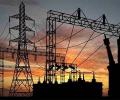
The output of eight core infrastructure sectors grew marginally by 0.1 per cent in January, mainly due to growth in the production of fertiliser, steel and electricity. The core sectors had expanded by 2.2 per cent in January 2020, according to the provisional data released by the commerce and industry ministry on Friday. Coal, crude oil, natural gas, refinery products, and cement recorded negative growth in January.
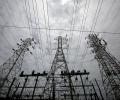
The output of eight core sectors jumped by 56.1 per cent in April mainly due to a low base effect and uptick in production of natural gas, refinery products, steel, cement and electricity, official data released on Monday showed. The eight infrastructure sectors of coal, crude oil, natural gas, refinery products, fertilisers, steel, cement and electricity had contracted by 37.9 per cent in April 2020 due to lockdown restrictions imposed to control the spread of coronavirus infection. In March this year, the eight sectors had recorded a growth rate of 11.4 per cent.

Contracting for the eighth consecutive month, the output of eight core infrastructure sectors dropped by 2.5 per cent in October, mainly due to decline in production of crude oil, natural gas, refinery products and steel. The production of eight core sectors had contracted 5.5 per cent in October 2019, data released by the Commerce and Industry Ministry showed on Friday.

Barring coal, electricity and steel, all sectors -- crude oil, natural gas, refinery products, fertiliser and cement -- recorded negative growth in September 2020.

Barring fertiliser, all seven sectors - coal, crude oil, natural gas, refinery products, steel, cement, and electricity - had recorded negative growth in May.

India's core sector output contracted by 0.4 per cent in March, marking the first decline in five months, with coal, crude oil, fertiliser, and electricity production falling, according to official data.

The output of eight core sectors grew by 11.6 per cent in August, mainly due to an uptick in the production of cement, coal, and natural gas, official data showed on Thursday. The eight infrastructure sectors of coal, crude oil, natural gas, refinery products, fertilisers, steel, cement and electricity had contracted by 6.9 per cent in August 2020 due to the nationwide lockdown imposed to control the spread of COVID-19. The eight core industries comprise 40.27 per cent of the weight of items included in the Index of Industrial Production (IIP).
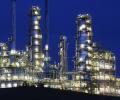
The output of eight core sectors rose 4.4 per cent in September on account of healthy performance by segments like natural gas, refinery products and cement, official data showed on Friday. The eight infrastructure sectors of coal, crude oil, natural gas, refinery products, fertilisers, steel, cement and electricity had grown by 0.6 per cent in September 2020, as per the data released by the commerce and industry ministry.

Barring crude oil and cement, all other sectors recorded positive growth in November. In October, these core sectors' output had grown by 8.4 per cent. In February this year, the growth rate contracted to 3.3 per cent.

India's eight core infrastructure sectors experienced a slowdown in production growth, reaching a two-month low of 4% in January. Crude oil and natural gas output declined, while refinery products remained flat. Overall growth for the April-January period was also lower compared to the previous fiscal year.

India's eight key infrastructure sectors grew at a slower pace of 1.8 per cent in November against 5.8 per cent in the same month last year, amid a dip in production of crude oil, natural gas, refinery products, and electricity, according to official data released on Monday.
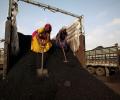
Led by healthy growth in coal, crude oil, fertilisers, cement and electricity production, output of eight core industries grew to a 13-month high of 18.1 per cent in May this year, according to official data released on Thursday. The growth of core infrastructure sectors expanded by 16.4 per cent in the year-ago period and 9.3 per cent in April this year. The last high growth was recorded in April 2021 when it was 62.6 per cent.

During December 2011, the core sectors recorded a growth of 3.1 per cent against 6.3 per cent same period previous year.

Contracting for the ninth consecutive month, the output of eight core infrastructure sectors dropped by 2.6 per cent in November, mainly due to decline in production of natural gas, refinery products, steel and cement. The production of eight core sectors had recorded a growth of 0.7 per cent in November 2019, data released by the commerce and industry ministry showed on Thursday. Barring coal, fertiliser and electricity, all sectors -- crude oil, natural gas, refinery products, steel and cement -- recorded negative growth in November 2020.

Barring fertiliser, all seven sectors -- coal, crude oil, natural gas, refinery products, steel, cement and electricity -- recorded negative growth in July.

The output of eight core infrastructure sectors contracted for the third month in a row by 1.3 per cent in December 2020, dragged down by poor show by crude oil, natural gas, refinery products, fertiliser, steel and cement sectors. The core sectors had expanded by 3.1 per cent in December 2019, according to the provisional data released by the Commerce and Industry Ministry on Friday. Barring coal and electricity, all sectors recorded negative growth in December 2020. During April-December 2020-21, the sectors' output declined by 10.1 per cent against a growth rate of 0.6 per cent in the same period of the previous year.

Coal, crude oil, natural gas, refinery products, fertiliser, steel, cement and comprise 40.27 per cent of the weight of items included in the Index of Industrial Production.

These core industries comprise 40.27 per cent of the weight of items included in the Index of Industrial Production.

During April-September, the eight sectors grew by 4 per cent, against 5 per cent in the year-ago period.
During April-August, the eight sectors grew by 4.4 per cent, against 4.2 per cent in the year-ago period.

Contraction in crude oil, natural gas, coal and electricity output led to the fall.

The record contraction in the growth rate of eight core sectors will have its impact on IIP.

India's eight key infrastructure sectors registered a four-month high growth rate of 3.7 per cent in December last year, driven by a jump in the output of fertiliser and cement, according to official data released on Tuesday.

The eight core industries expanded by 6.8 per cent in February, against 6.4 per cent in the same period last year, on healthy growth in coal, electricity and cement production. The infrastructure industries had grown by just 0.5 per cent in the previous month.

According to a commerce and industry ministry statement, the growth rate for these eight key sectors for April 2019 has been revised upward to 6.3 per cent from 2.6 per cent reported earlier mainly due to upward revisions in production of coal, crude oil, steel, cement and electricity.

Fintech giant Paytm reports a consolidated profit of Rs 183 crore in Q4 FY26, marking a significant turnaround driven by its core payments business, growth in loans, and consumer-side profitability. The company is also prioritising investments in AI and has ruled out applying for an NBFC licence.

The output of eight core sectors grew 8.9 per cent in June, mainly due to a low base effect and uptick in production of natural gas, steel, coal and electricity, official data showed on Friday. The eight infrastructure sectors of coal, crude oil, natural gas, refinery products, fertilisers, steel, cement and electricity had contracted by 12.4 per cent in June 2020 due to the lockdown restrictions imposed to control the spread of coronavirus infections. In May this year, these key sectors had recorded a growth of 16.3 per cent, while it was 60.9 per cent in April.

The core industries, which also include coal, natural gas, refinery products and crude oil, having a weight of about 38 per cent in the Index of Industrial Production, grew at 3.7 per cent January this year.

'Workers are the people who create all the wealth in this country. How can you call them anti-national?'

Malayalam cinema legends Mammootty and Mohanlal are set to reunite on screen in Mahesh Narayanan's espionage thriller 'Patriot' after 18 years, with Mammootty in the lead and Mohanlal in an extended cameo.

Slow growth in key sectors would also have implications on the Index of Industrial Production number

However, production of coal, crude oil and natural gas declined in April this year.

The cost of the war is being counted not in the corridors of power in Washington or Tehran, but in Firozabad's darkened furnace rooms, Howrah's idle casting sheds, and a barbershop in Kochi where the wait is suddenly, inexplicably, an hour long, notes Prem Panicker in his must read blog on the Iran War.
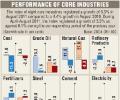
Eight infrastructure industries grew by 3.5 per cent in August this year, down from 4.4 per cent expansion witnessed in the same month last year.

India's eight key infrastructure sectors' output stood at 3 per cent in September, slower than the 6.5 per cent expansion recorded in August, according to official data released on Tuesday. The core sectors' output growth was 2.4 per cent in September last year.

'There are certain sovereign AI domains where we must build capabilities using our own data, our own language models, and make our own attempts at global models.'

The LPG squeeze on India's restaurant sector is the quotidian face of a deeper crisis.
As many as six of eight core industries saw a contraction in output in October.

A R Rahman feels a power shift may have happened in the past eight years, as 'people who are not creative have the power now to decide things.'
 © 2026 Rediff.com - Advertise with us - Disclaimer - Privacy Policy - Sitemap - Feedback - About us - Terms of use - Grievances